Made in SF with ❤️


What Are the Things Nobody Tells You About San Francisco?
Last updated: February 2026
TL;DR: San Francisco is one of the most surprising cities in the country, and after 8+ years of living here, I’m still discovering things that catch me off guard. From the fog that has its own social media following to the bison casually hanging out in Golden Gate Park, here are 25 things nobody tells you about SF — the stuff that guidebooks skip and locals just assume everyone knows.
When I first moved to San Francisco, I thought I had a pretty good handle on what to expect. I’d visited a few times. I’d watched Full House. I knew about the Golden Gate Bridge and the cable cars and the sourdough bread. What I did not know was that I’d be wearing a winter coat in July, that I’d develop extremely strong opinions about burritos, or that I’d one day find myself explaining to a visitor why there’s a herd of bison just… living in the park. San Francisco is a weird, wonderful, deeply specific place, and it has a way of surprising you no matter how long you’ve been here.
So whether you’re planning your first visit or you just signed a lease, here are 25 things I genuinely wish someone had told me.
1. “Summer” Is a Lie — The Real Summer Is September and October
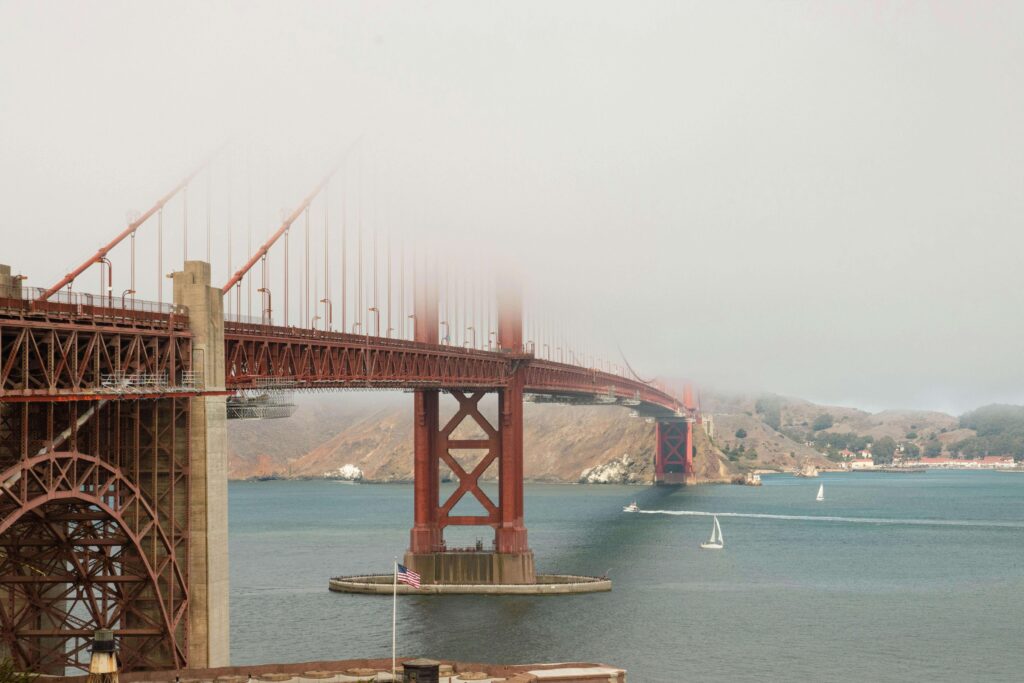
This is the number one thing that trips up every single visitor and new transplant. June, July, and August in San Francisco are not summer. They are fog season. The city gets socked in with a thick marine layer that rolls through the Golden Gate, and the average high in July is around 64°F. Meanwhile, September and October? Gorgeous. Sunny. Warm. Locals call it “Indian Summer,” and it’s genuinely the best time of the year. I remember my first July here, standing at Dolores Park in a hoodie and a scarf, watching tourists in shorts look absolutely betrayed. If you want actual warm weather, come in the fall. For a deeper dive, check out my guide on what SF weather is really like.
2. The Fog Has a Name, a Personality, and an Instagram Account
His name is Karl. Yes, the fog. Karl the Fog has over 300,000 followers on Instagram and posts moody, cinematic shots of himself blanketing the city. It sounds absurd, and it is, but it’s also very San Francisco. Karl isn’t just a weather event here — he’s a cultural figure. You’ll hear people say things like “Karl is really showing out today” without a shred of irony. Once you’ve lived through a few summers where the fog cancels your plans, you start to develop a relationship with it. I personally find Karl charming about 70% of the time. The other 30%, I’m just cold.
3. The City Is Only 7 by 7 Miles — But It Feels Much Bigger
San Francisco is technically just 49 square miles, which sounds tiny until you factor in the hills. Those hills are no joke. Walking from the Mission to Noe Valley is technically less than a mile, but it involves going up and then very steeply back down, and by the end you’ll feel like you’ve completed a minor expedition. The compact size is actually one of my favorite things about the city — you can get almost anywhere in 20 to 30 minutes — but the terrain means your legs will always remind you that you live on a series of very dramatic slopes. If you’re into that sort of thing, check out the best urban hikes in the city.
4. You Will Need Layers Every Single Day, No Exceptions
I cannot stress this enough. It can be 55°F and foggy in the morning, 72°F and sunny by noon, and back to 58°F and windy by 5 PM. This happens routinely. The layering situation in San Francisco is not optional — it’s a survival skill. I leave the house with a tank top, a flannel, and a jacket basically year-round. Visitors always think I’m exaggerating until they’re shivering on the Golden Gate Bridge in August wearing a sundress. The temperature can swing 15 to 20 degrees in a single day depending on where you are and what time it is. Which brings me to the next point.
5. Microclimates Are Very, Very Real
San Francisco has some of the most extreme microclimates of any city in the world. It can be 75°F and sunny in the Mission while it’s 58°F and foggy in the Sunset — and those neighborhoods are only about four miles apart. The general rule: the eastern side of the city (Mission, SoMa, Dogpatch) tends to be warmer, while the western side (Richmond, Sunset, Ocean Beach) gets more fog and wind. I’ve genuinely left my house in the Excelsior wearing a t-shirt, driven to the Outer Sunset, and wished I’d brought a parka. Always check the weather for the specific neighborhood you’re heading to, not just “San Francisco.” The city’s 43 hills create these little weather pockets that operate almost independently of each other.
6. The Tenderloin Is Right Next to Some of the Nicest Neighborhoods
This one catches a lot of people off guard. The Tenderloin — which is one of the city’s most challenged neighborhoods — sits directly between Union Square (luxury shopping), Hayes Valley (boutique everything), and the Civic Center. You can literally cross a street and feel like you’re in a completely different city. It’s a real and honest part of San Francisco, and it’s also home to incredible food — some of the best Vietnamese restaurants in the city are in the Tenderloin. I’m not going to sugarcoat it or pretend it doesn’t exist, because that wouldn’t be helpful. But I also want to say: San Francisco’s contrasts are part of what makes it a real city, not a theme park. For a more detailed take, I wrote about whether San Francisco is safe with actual data and context.
7. Burritos Are a Religion Here (and People Have Very Strong Opinions)
I need you to understand something: the San Francisco burrito is its own distinct food category, and people take it extremely seriously. The Mission-style burrito — large flour tortilla, rice, beans, meat, salsa, wrapped in foil — was basically invented here in the 1960s, and the debate over the best one will never, ever be settled. La Taqueria (no rice, pure meat-forward perfection) vs. El Farolito (giant, messy, glorious at 2 AM) is a divide that has ended friendships. I personally lean La Taqueria for a weekday lunch burrito and El Farolito for a late-night situation, and I will defend both positions with my whole chest. The point is: eat the burritos. Eat many burritos. Form your own opinion. Then fight about it. For more food recommendations, I have a full guide to the best restaurants in SF.
8. You Don’t Need a Car (and You Probably Don’t Want One)
This might be the most practical thing on this list. San Francisco is one of the few American cities where you can genuinely live without a car. Between Muni (buses and light rail), BART (regional rail), biking, walking, and rideshare, you can get pretty much everywhere you need to go. A monthly Muni pass is $81, compared to the average cost of car ownership in the city, which is well over $1,000 a month when you factor in insurance, gas, and the soul-crushing reality of parking. Street parking is a contact sport here. Garage parking can easily run $300 to $400 a month. I’ve been car-free for long stretches and honestly didn’t miss it much. Check out my guide on how to use public transit in SF if you want the full breakdown.
9. Waymo Self-Driving Cars Are Everywhere — and Locals Actually Love Them
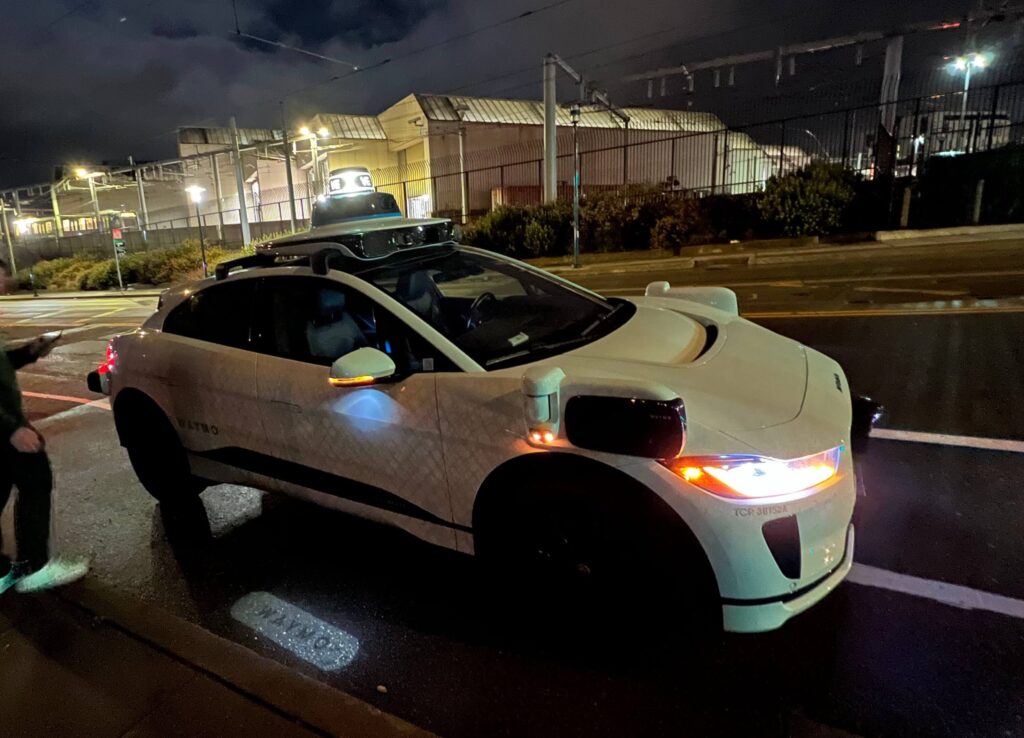
If you visit San Francisco in 2026, you will see white Jaguar SUVs with spinning sensors on the roof driving themselves around the city. These are Waymos, and they are everywhere. What surprises most visitors is that locals genuinely like them. They don’t speed, they don’t run red lights, they don’t double-park in bike lanes (looking at you, every rideshare driver). Are they perfect? No. Do they occasionally stop in the middle of the road and have a small existential crisis? Yes. But overall, they’ve become a surprisingly normal part of the city fabric. I take Waymos regularly and find the experience oddly relaxing — no small talk, no questionable driving, just a calm robot getting you where you need to go. I wrote more about whether you should ride a Waymo if you’re curious.
10. There Are Actual Bison in Golden Gate Park
Not a metaphor. Not a statue. Real, living, breathing American bison. There’s been a bison paddock in Golden Gate Park since 1892, and as of 2026, the small herd is still there, just casually existing in the western end of the park near the ocean. It is one of the most delightfully random things about San Francisco. I remember the first time I stumbled upon them — I was on a long walk through the park and genuinely thought I was hallucinating. They’re not a huge attraction, there’s no gift shop, it’s just… bison. In a park. In a city. I love it so much. Golden Gate Park in general is wildly underappreciated — it’s larger than Central Park and has everything from a Japanese Tea Garden to a disc golf course to, yes, bison.
11. San Francisco Has More Dogs Than Children
This is not an exaggeration. According to census and city data, San Francisco has roughly 120,000 to 150,000 dogs and only about 110,000 children under 18. The city is extremely dog-friendly — there are dedicated off-leash areas in almost every park, dog-friendly patios at most restaurants, and an entire culture built around dogs. You’ll see dogs in Waymos, dogs in bakeries, dogs riding the bus. I don’t have a dog (yet), but I benefit enormously from this situation because there are dogs to pet basically everywhere I go. It’s one of those stats that sounds like a joke but actually tells you a lot about the city’s demographics and lifestyle.
12. Cash Is Basically Obsolete
San Francisco is one of the most cashless cities in the country. Many restaurants, coffee shops, and bars are card-only or have gone entirely digital. I’ve gone weeks without touching physical money. This can be a rude surprise if you’re visiting from somewhere where cash is still king. My advice: bring a credit or debit card and make sure your phone has Apple Pay or Google Pay set up. That said, I do recommend keeping a small amount of cash for the rare taco truck or farmers’ market vendor that doesn’t take cards. But honestly, your phone and a single card will get you through 99% of situations.
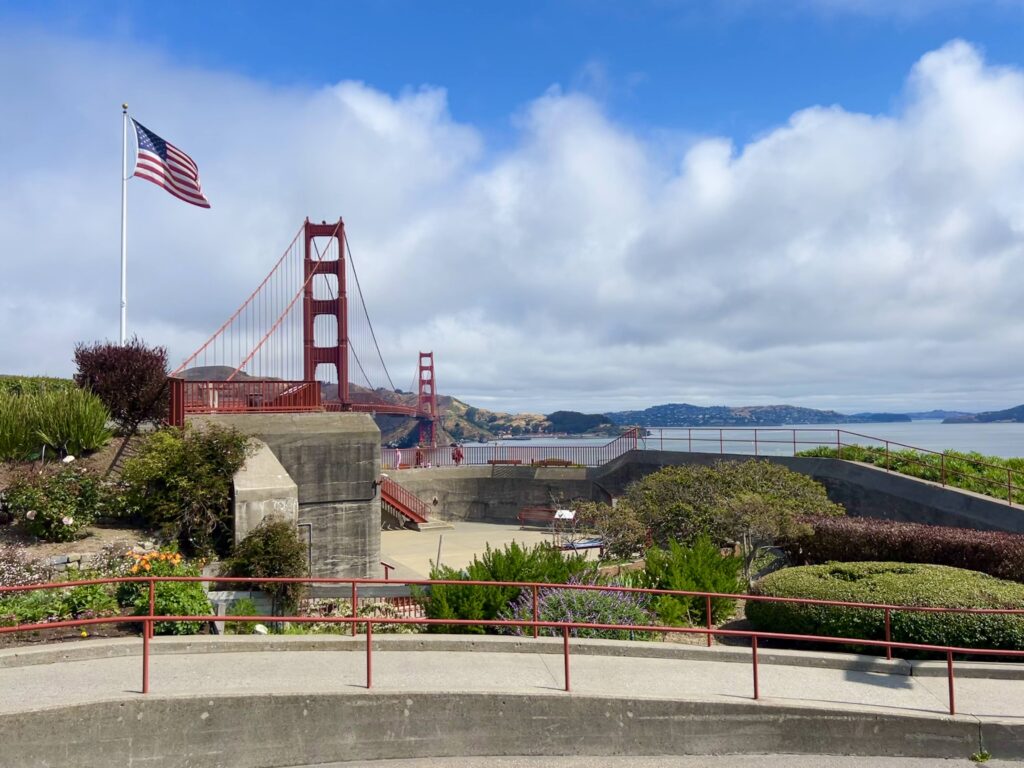
13. The Golden Gate Bridge Is Not Golden — It’s International Orange
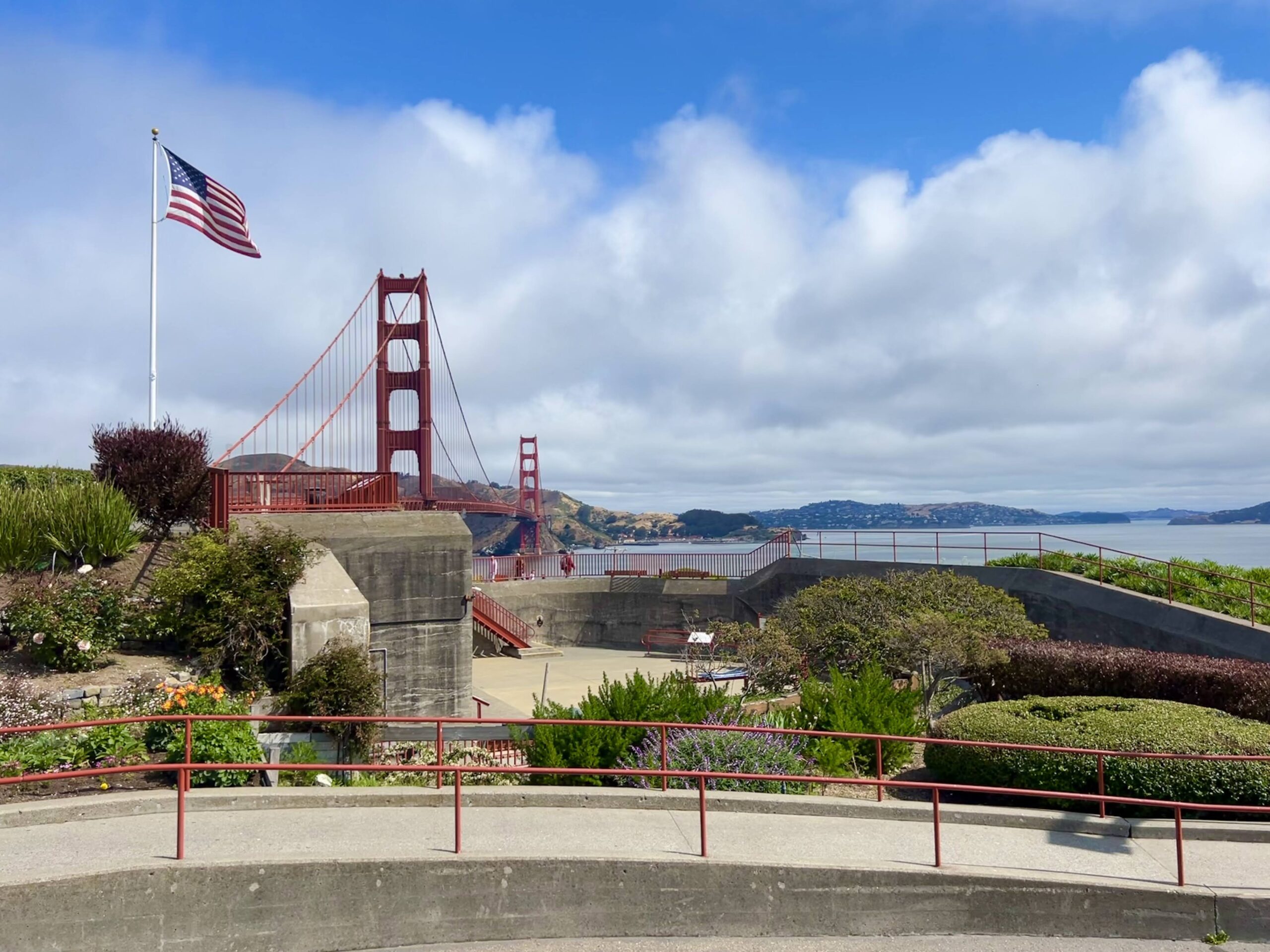
I know, I know. But this genuinely catches people off guard. The Golden Gate Bridge is painted a color called “International Orange,” which was originally just the primer color and was supposed to be painted over with something else. But the consulting architect loved it so much against the fog and the blue water that they kept it. The “Golden Gate” name actually refers to the Golden Gate strait — the narrow channel of water that connects the San Francisco Bay to the Pacific Ocean — which was named during the Gold Rush. The bridge is gorgeous in any color, but if you show up expecting literal gold, you will be mildly confused. The best views? Hit up Battery Spencer on the Marin side, or catch sunset from Crissy Field. Both are completely free.
14. Alcatraz Tickets Sell Out Weeks (Sometimes Months) in Advance
If Alcatraz is on your list — and it should be, the audio tour is genuinely excellent — you need to plan ahead. Tickets regularly sell out 2 to 4 weeks in advance, and during peak summer season, they can be gone months out. The official tickets are sold through the National Park Service’s concessioner (currently Alcatraz City Cruises), and they run about $42 to $51 depending on the tour. Do not buy from resellers charging $100+ unless you’re truly desperate. Pro tip: night tours are the most atmospheric and also the hardest to get, so if you see availability, grab it immediately. I’ve done both the day and night tours, and the night tour is genuinely spooky in the best way.
15. The Best Views in the City Are Completely Free
You don’t need to pay for a rooftop bar or an observation deck to get jaw-dropping views of San Francisco. Some of the most stunning vistas are totally free and surprisingly uncrowded. My personal favorites: Twin Peaks (the classic panoramic view, especially at sunset), Bernal Heights (more intimate, with an incredible 360-degree view), Tank Hill (a hidden gem that most tourists don’t know about), and Grandview Park in the Sunset, which has those gorgeous tiled mosaic steps leading up to a sweeping ocean view. I also love the less obvious spots — the top of Kite Hill, the fire road above Glen Canyon, or just wandering up any of the city’s stairways and seeing what you find. I’ve got a whole roundup of free things to do in SF if you want more ideas.
16. Patagonia Fleece Is Basically the City Uniform
This one is a stereotype because it’s true. The unofficial dress code of San Francisco is a Patagonia fleece (or vest), jeans, and sneakers. It doesn’t matter if you’re a tech CEO or a barista or a middle school teacher — the fleece is universal. I resisted it for about two years before caving and buying my first Patagonia Better Sweater, and I now own three. They’re genuinely practical for the climate (see: layers, microclimates, surprise wind), and they’ve become such a cultural marker that there’s a parody Instagram account called Midtown Uniform dedicated to the look. If you want to blend in immediately, just throw on a fleece and carry a reusable tote bag. You’ll be indistinguishable from a local.
17. Tech Culture Is Real — But Not as Dominant as You’d Think
Yes, San Francisco is the capital of the tech industry. Yes, you’ll overhear people talking about Series B funding at coffee shops. Yes, Salesforce Tower is the tallest building on the skyline. But the city is so much more than tech. San Francisco has a deep history of art, activism, music, immigration, and counterculture that predates the tech boom by over a century. The Beat Generation started here. The Summer of Love happened here. The LGBTQ+ civil rights movement was built in this city. The tech industry is a significant and visible part of SF, but it’s one layer of a very complex, very old city. I’ve met more artists, teachers, nurses, and small business owners here than I have software engineers (though I’ve met plenty of those too).
18. The Sourdough Bread Thing Is Completely Legit
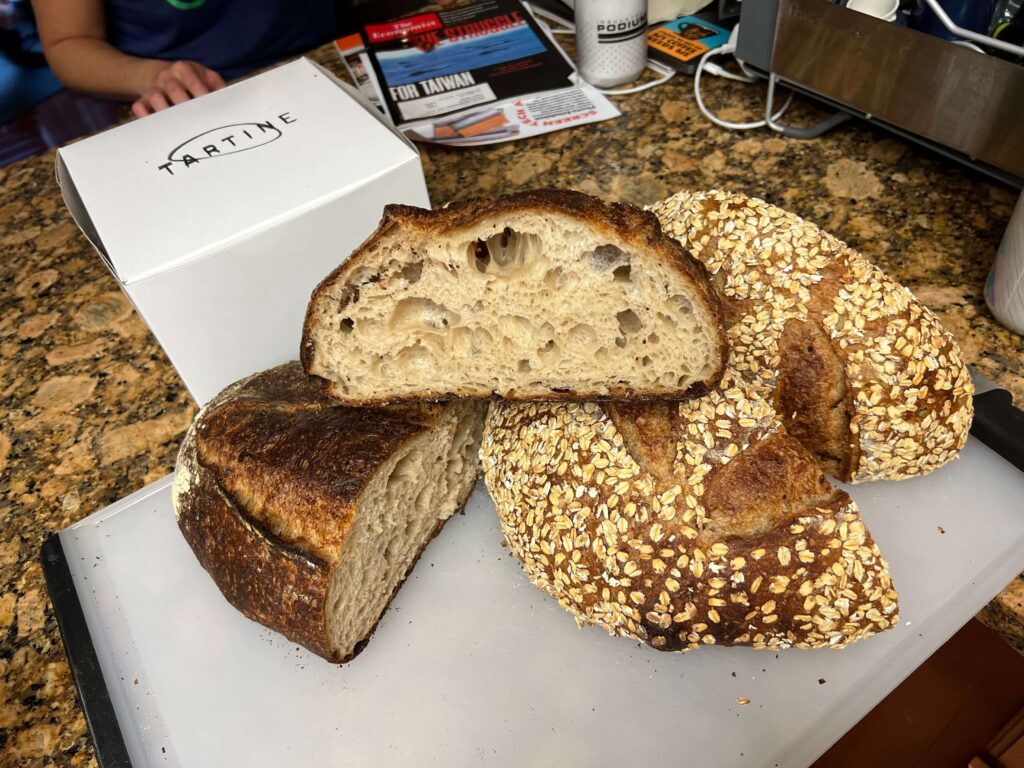
San Francisco sourdough is not just a marketing gimmick. The city’s unique microclimate — the cool, moist air — creates ideal conditions for a specific strain of wild lactobacillus bacteria (Lactobacillus sanfranciscensis, literally named after this city) that gives the bread its distinctive tangy flavor. Boudin Bakery has been making sourdough at Fisherman’s Wharf since 1849 using the same mother dough, which is pretty incredible when you think about it. Is Boudin a tourist spot? Absolutely. Is their bread still good? Also yes. But for my money, the best sourdough in the city comes from Tartine (the country loaf is legendary — get there early, it sells out) and Josey Baker Bread in the Western Addition. I have a whole list of the best bakeries in SF if bread is your thing. And if bread is your thing, we should be friends.
19. Dim Sum in the Richmond and Sunset Rivals Anything in Chinatown
San Francisco’s Chinatown is the oldest in North America and absolutely worth visiting, but if you want the dim sum experience that locals actually line up for, head to the Richmond or Sunset districts. The Richmond in particular — sometimes called “the New Chinatown” — has an incredible concentration of Chinese, Burmese, and other Asian restaurants that often fly under the tourist radar. My go-to dim sum spots are Hong Kong Lounge II on Geary (get the baked BBQ pork buns, trust me) and Dragon Beaux for a more modern take. Weekend dim sum in the Richmond is one of my favorite rituals in the city. Just be prepared to wait — the good places get packed by 11 AM on Saturdays and Sundays.
20. Muni Is Confusing at First but Actually Pretty Great
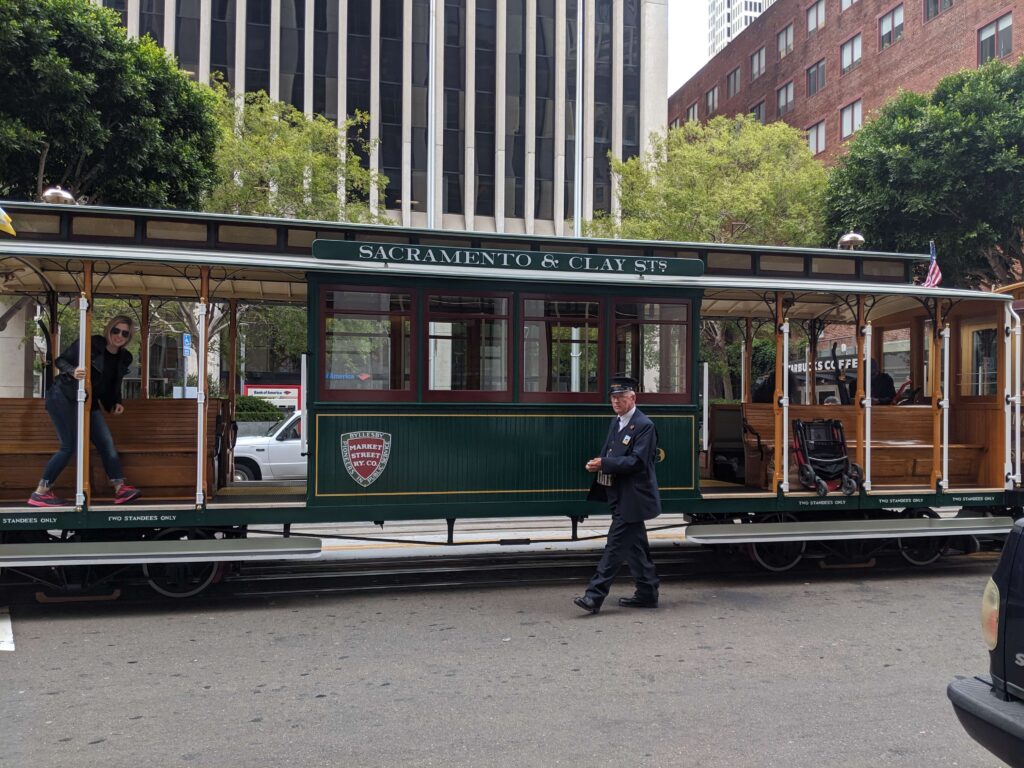
San Francisco’s public transit system, Muni, has a reputation for being unreliable, and honestly, it can be frustrating. Buses sometimes bunch up, the subway occasionally has delays, and the route numbering system feels like it was designed by someone who actively enjoys chaos. But here’s what nobody tells you: once you figure it out, Muni is actually quite good. The light rail lines (N-Judah, L-Taraval, K-Ingleside, T-Third) cover a huge chunk of the city, the buses run frequently on major corridors, and the historic cable cars and streetcars are a genuinely charming way to get around (even if they’re slow). Download the MuniMobile app, get a Clipper card, and give yourself a couple of days to get the hang of it. I have a full breakdown of how to use public transit in SF that’ll save you some headaches.
21. Tipping Culture Is Strong — 20% Is the Baseline
San Francisco has one of the highest minimum wages in the country ($18.67 as of 2024, and it adjusts annually for inflation), but the cost of living is so extreme that tipping well is still very much expected and appreciated. At restaurants, 20% is considered standard — not generous, just standard. Many restaurants add a service charge or SF health mandate surcharge to the bill, which can be confusing, but a good rule of thumb is to read the fine print on your check. If there’s already a service charge included, you don’t need to double-tip, but a little extra is always welcome. At coffee shops, $1 to $2 on a drink is the norm. I know tipping culture is a hot topic nationally, but in a city where the average rent is $3,640 a month, every dollar matters to the people serving you.
22. The City Basically Shuts Down Early (With a Few Exceptions)
If you’re coming from New York or LA expecting a thriving 2 AM scene everywhere, you’re going to be surprised. San Francisco is, for the most part, an early-to-bed city. Last call is 2 AM by law, and many restaurants stop seating by 9 or 9:30 PM. The neighborhoods that buck this trend are the Mission (where you can find food and drinks well into the night), North Beach (the old Italian neighborhood with late-night bars), and SoMa (clubs and late-night spots). But in neighborhoods like the Sunset, Richmond, or Noe Valley? Good luck finding anything open past 10 PM. I’ve genuinely had to adjust my lifestyle — I eat dinner earlier, I plan my nights out more intentionally, and I’ve become a person who suggests “grabbing a drink at 6” without any shame. For late-night inspiration, check out the best cocktails in SF and the best tiki bars.
23. There Are Secret Staircases and Hidden Gardens Everywhere
San Francisco has over 600 public stairways winding through its hills, and many of them are bordered by lush gardens, mosaic art, and views that feel like they shouldn’t be free. The 16th Avenue Tiled Steps in the Sunset are probably the most famous — 163 steps covered in a gorgeous sea-to-stars mosaic — but my personal favorites are the lesser-known ones. The Filbert Steps on Telegraph Hill wind through gorgeous private gardens with wild parrots overhead. The Lyon Street Steps in Pacific Heights have incredible views of the Palace of Fine Arts and the Bay. The hidden garden at the top of Vulcan Street stairway in the Castro feels like stepping into a fairy tale. Hunting for staircases has become one of my favorite weekend activities. Just wear good shoes — some of them are steep enough to qualify as a workout. For more outdoor adventures, I have a guide to the best urban hikes in SF.
24. The Housing Situation Is Exactly as Wild as You’ve Heard
I’m not going to sugarcoat this one. San Francisco’s housing market is intense. The average rent for a one-bedroom apartment is around $3,640 (as of late 2025), the median home price hovers around $1.4 million, and the cost of living in SF is roughly 63% above the national average, with housing specifically running about 245% above the national norm. You will hear stories about studio apartments going for $2,800, about open houses with 30 applicants, about people commuting 90 minutes each way because they can’t afford to live in the city. Many of those stories are true. But here’s what I’ll also say: San Francisco is actively building more housing, there are more affordable neighborhoods than people realize (the Excelsior, Outer Sunset, and Bayview all offer more reasonable rents), and the city’s recent comeback energy — with office leasing up 62.8% year-over-year — suggests things are, slowly, shifting. If you’re considering moving here, my guide on where to live in SF breaks down the neighborhoods by budget and vibe.
25. Despite Everything, Locals Genuinely Love This City
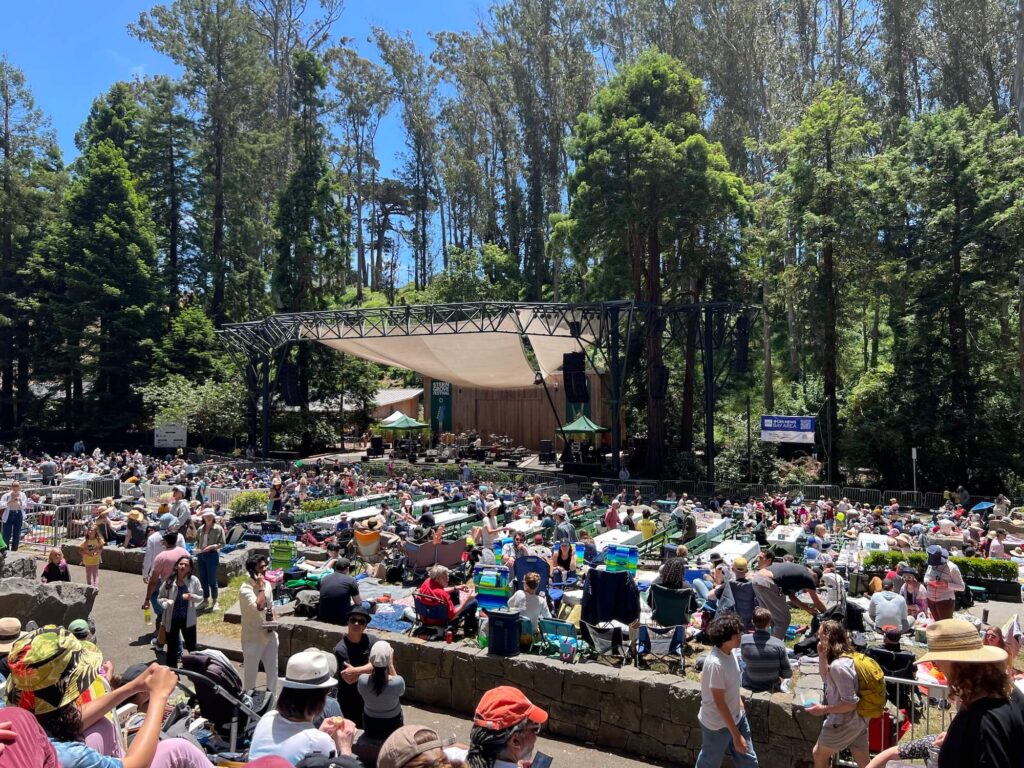
San Francisco gets a lot of negative press. You’ve probably seen the headlines about crime (which, by the way, is at a 23-year low as of 2025), about homelessness, about the cost of living, about tech “ruining” the city. And look, some of that criticism is valid — no city is perfect, and SF has real challenges that deserve real conversation. But here’s the thing nobody tells you: the people who actually live here love it. Not in a defensive, “please stop trashing my city” way (though that happens too), but in a deep, genuine, “I can’t imagine living anywhere else” way. It’s the way the fog lifts over the Painted Ladies at golden hour. It’s the strangers who talk to you at the farmers’ market. It’s a random Tuesday night at a hidden wine bar in the Outer Sunset where the owner pours you something you’ve never heard of and it changes your whole week. It’s free concerts in the park and day trips to the coast and the fact that you can see the ocean and the bay from the same hilltop. San Francisco isn’t for everyone, and that’s okay. But for those of us who’ve chosen it — even with all its quirks, frustrations, and $8 lattes — there’s really nowhere else we’d rather be.
Frequently Asked Questions
What is the best time of year to visit San Francisco?
September and October are hands-down the best months to visit. You’ll get the warmest, sunniest weather of the year — what locals call “Indian Summer.” June through August are actually the foggiest and coldest months, which surprises almost everyone. Spring (March through May) is also lovely, with fewer crowds and wildflowers blooming. For a full breakdown, check out my guide on what SF weather is really like.
Is San Francisco safe for tourists?
Yes. San Francisco’s overall crime rates are at a 23-year low as of 2025, and the vast majority of tourist areas — Fisherman’s Wharf, the Ferry Building, Golden Gate Park, the Marina, North Beach — are very safe. Like any major city, you should use common sense: don’t leave valuables visible in a parked car (car break-ins are still an issue), stay aware of your surroundings, and stick to well-lit areas at night. I go into much more detail in my article on whether SF is safe.
How many days do you need in San Francisco?
I’d recommend at least 3 full days to hit the highlights — the Golden Gate Bridge, Fisherman’s Wharf, Chinatown, the Mission, Golden Gate Park, and a few good meals. If you have 5 days, you can explore more neighborhoods, take a day trip to Muir Woods or Sausalito, and really settle into the city’s rhythm. I have a detailed 3-day SF itinerary that covers the essentials without feeling rushed.
Do I need a car in San Francisco?
No, and I’d actually recommend against renting one unless you’re planning day trips outside the city. Parking is expensive and stressful, many streets are one-way on steep hills, and public transit plus rideshare will get you everywhere you need to go. Muni buses and light rail cover the whole city, BART connects to the airport and East Bay, and Waymo is available for autonomous rides. My guide to public transit in SF has everything you need to navigate without a car.
What are the most underrated neighborhoods in San Francisco?
The Excelsior, Ocean Avenue corridor, Outer Sunset, and Dogpatch don’t get nearly enough love. The Excelsior has incredible hole-in-the-wall restaurants and a real neighborhood feel. Ocean Avenue is an emerging food and drink destination. The Outer Sunset has surfer vibes, great breweries, and some of the best Asian food in the city. And Dogpatch has transformed into a hub for craft breweries, waterfront dining, and cool design studios. Don’t sleep on the neighborhoods outside the usual tourist loop.