Made in SF with ❤️

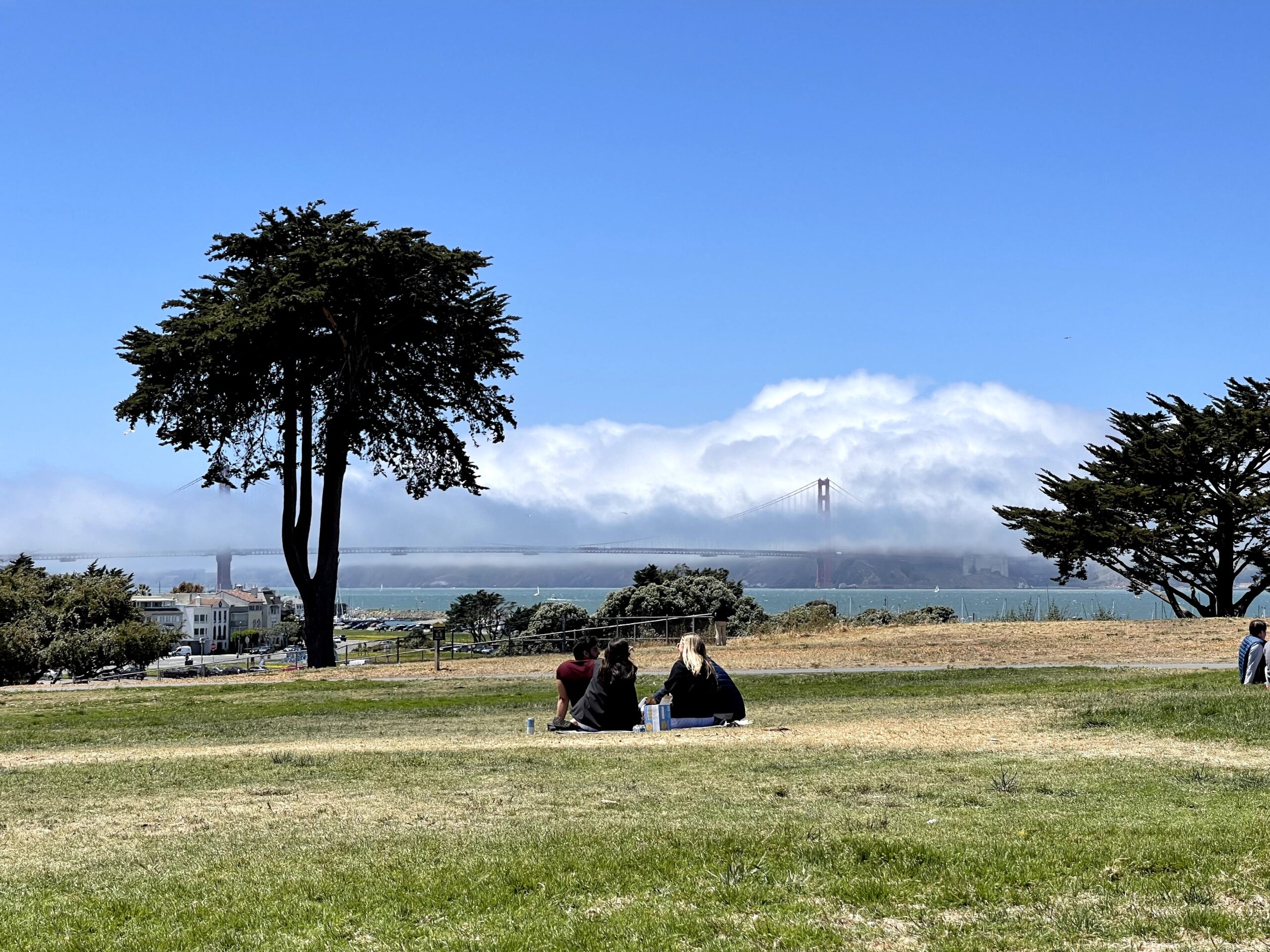

What Are the Best Neighborhoods in San Francisco? A Local’s Guide to Where to Stay, Eat & Explore
Last updated: February 2026
TL;DR: San Francisco is a city of neighborhoods, and choosing the right one can make or break your trip (or your move). After 8+ years of living here, I can tell you that the best neighborhood depends entirely on what you’re after. The Mission is unbeatable for food and nightlife, Hayes Valley is perfect for a boutique weekend, the Sunset is where locals actually hang out, and places like Dogpatch and the Excelsior deserve way more love than they get. Below, I break down 15 neighborhoods so you can find your SF sweet spot.
If there’s one thing I’ve learned about San Francisco, it’s that you can drive 10 minutes in any direction and feel like you’ve entered an entirely different city. Different weather, different food, different energy. That’s not an exaggeration — I’ve left my apartment in the sunshine, driven to the Outer Sunset, and arrived in what felt like a different climate zone entirely. (Karl the Fog is nothing if not dramatic.)
San Francisco has 36 official neighborhoods packed into just 47 square miles, and each one has its own personality, food scene, and reason to visit. Whether you’re planning a trip, considering a move, or just trying to figure out where to eat dinner tonight, this guide covers the neighborhoods I know and love — the popular ones and the ones that deserve to be on your radar. For a full trip plan, check out my 3-day San Francisco itinerary.
One more thing before we dive in: if you’re worried about safety, I get it. I wrote a whole piece on whether San Francisco is safe, and the short version is that SF’s crime rate is at a 23-year low as of 2025. Like any city, use common sense, but don’t let fear keep you from exploring.
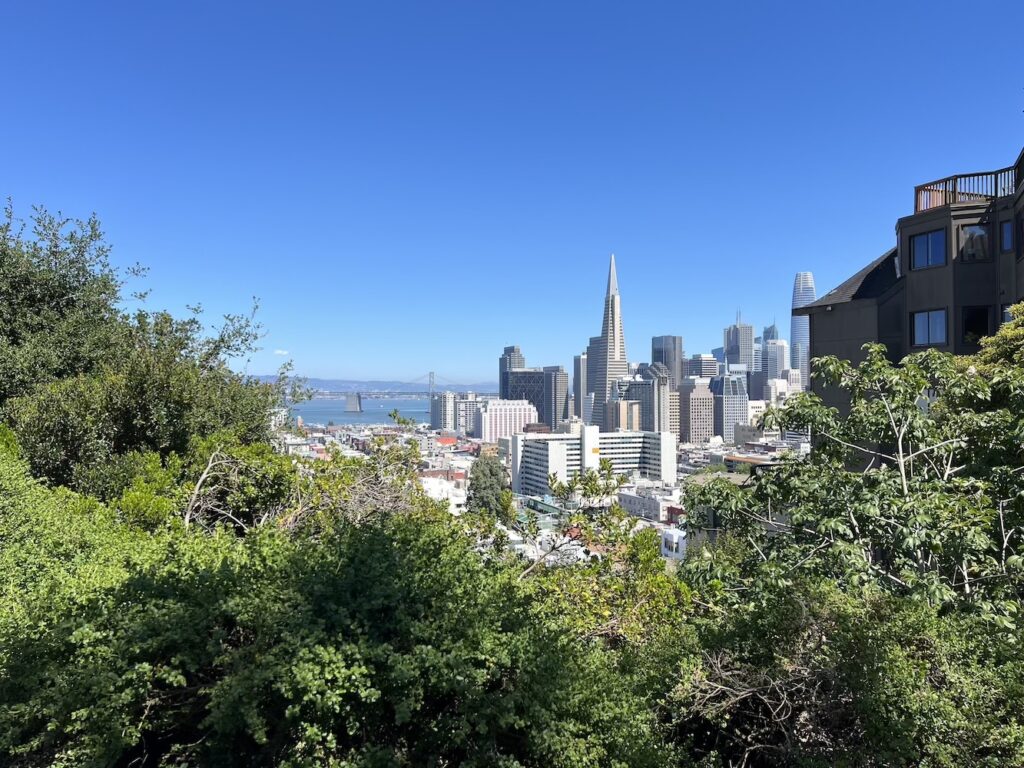
The Classic, Can’t-Miss Neighborhoods
These are the neighborhoods most visitors have heard of, and for good reason — they’re iconic. But even within the “popular” picks, there’s plenty of local depth if you know where to look.
The Mission District — The Beating Heart of SF’s Food Scene
I’ll be honest: if I had to pick one neighborhood to represent everything I love about San Francisco, it would be the Mission. The murals, the taquerias, the fact that it has its own microclimate and is somehow always sunnier than everywhere else in the city — it’s magic. I still remember the first time I walked down Balmy Alley and saw those murals stretching from garage door to garage door. I thought, okay, this city is different.
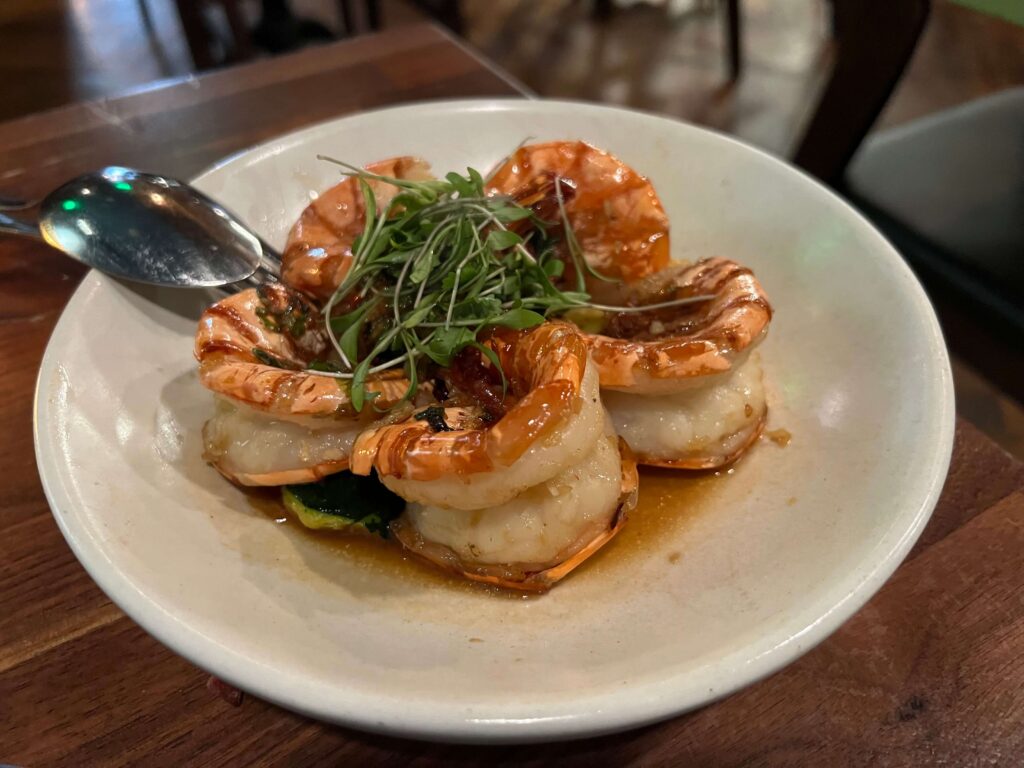
Best for: Foodies, nightlife lovers, art enthusiasts, anyone who wants to feel the pulse of the city
Where to eat & drink:
- La Taqueria — Get the super burrito with no rice (this is non-negotiable). Named best burrito in America by FiveThirtyEight and a James Beard “classic.” The line is part of the experience.
- Flour + Water — The pasta here has ruined me for pasta everywhere else. The tagliatelle with Bolognese is the stuff of dreams. Make a reservation well in advance.
- Foreign Cinema — Dinner with 35mm films projected on the courtyard wall? It’s as cool as it sounds. California-Mediterranean cuisine in one of the city’s most unique dining rooms.
- Lazy Bear — If you’re celebrating something (or just want to treat yourself), this two-Michelin-starred spot serves a communal tasting menu in a space that feels like the world’s fanciest dinner party. Not cheap, but unforgettable.
- Trick Dog — One of the best cocktail bars in the city, with a menu that changes themes entirely every few months. Check out my full guide to the best cocktails in SF.
Where to stay: The Mission doesn’t have a ton of hotels, but it’s one of the best neighborhoods for Airbnb or VRBO. Look for places near Valencia Street or 24th Street for the most walkable experience. The Inn San Francisco on South Van Ness is a charming Victorian B&B option.
Getting there: BART stops at 16th Street Mission and 24th Street Mission. The 14 and 49 bus lines run through the neighborhood. It’s also one of the most bikeable areas in the city. For more transit tips, check out my guide on how to use public transit in SF.
Average rent: Roughly $2,800–$3,400/month for a 1-bedroom, depending on the block. The northern Mission near Valencia has gotten pricier over the years, but south of Cesar Chavez is more affordable.
North Beach — SF’s Little Italy (But So Much More)
North Beach is one of those neighborhoods that somehow manages to be both touristy and authentically local at the same time. Yes, you’ll see visitors snapping photos of City Lights Bookstore. But you’ll also see regulars posted up at Caffe Trieste on a Saturday morning, reading the paper like they’ve been doing it for 30 years (because they probably have). The Beat Generation literary history runs deep here, and the Italian heritage is alive and well in every espresso and focaccia.
Best for: First-time visitors, history buffs, Italian food lovers, literary nerds
Where to eat & drink:
- Tony’s Pizza Napoletana — Multiple world pizza championship titles. The Margherita is textbook perfect, but I’m a sucker for the coal-fired New Yorker. Get there early or expect a wait.
- Liguria Bakery — They sell exactly one thing: focaccia. And they sell out every single day, usually by noon. Get the tomato or the garlic. Cash only. This is one of those SF institutions that makes you feel like you’re in on a secret.
- Caffe Trieste — The oldest espresso house on the West Coast. Order a cappuccino and pretend you’re writing the next great American novel. Saturday afternoon live music sessions have been a tradition for decades.
- Tosca Cafe — Historic bar with a gorgeous red-leather interior. The house cappuccino is spiked with brandy and chocolate, which is honestly the only appropriate way to start an evening in North Beach.
- Comstock Saloon — Beautiful Barbary Coast-era bar with excellent craft cocktails. The bartenders here take their work seriously.
Where to stay: Hotel Boheme is a boutique gem right on Columbus Avenue — Beat Generation-themed and perfectly located. The San Remo Hotel is a budget-friendly European-style option (shared bathrooms, lots of character). For something more upscale, The Ritz-Carlton is just up the hill in Nob Hill, a short walk away.
Getting there: The 30 and 45 bus lines run through North Beach. It’s very walkable from Fisherman’s Wharf (about 15 minutes) and Chinatown (5 minutes). Walk Score: 99.
Average rent: Around $2,600–$3,200/month for a 1-bedroom. Surprisingly reasonable for how central it is.
The Marina & Cow Hollow — Waterfront Vibes and Chestnut Street Charm
The Marina is where you go when you want flat streets, waterfront views, and the kind of neighborhood where everyone seems to be coming back from a run with their golden retriever. I know it gets a reputation as “basic” but honestly? Walking along Crissy Field with the Golden Gate Bridge in front of you never gets old. Cow Hollow, which sits just south of the Marina, has a slightly more residential feel with great shopping and dining along Union Street.
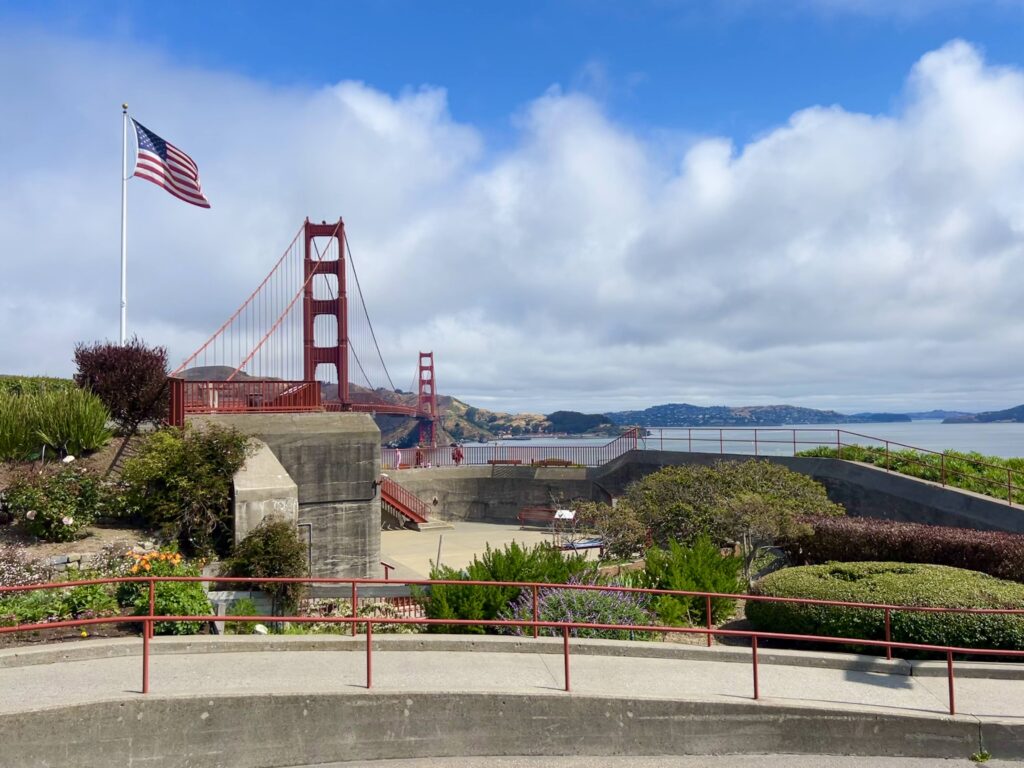
Best for: Active visitors, couples, anyone who wants a scenic and walkable base near the Golden Gate Bridge
Where to eat & drink:
- A16 — Southern Italian cuisine with a killer pizza and wine program. The burrata appetizer is a must.
- Lucca Delicatessen — A family-owned Italian deli that’s been here since 1929. Their sandwiches are enormous and perfect for a Crissy Field picnic.
- Balboa Cafe — One of the oldest bars in SF, recently refreshed but still a neighborhood anchor. Great for a casual burger and a cocktail.
- Rose’s Cafe — Lovely spot on Union Street for brunch or a lazy weekday lunch. The outdoor patio is one of my favorites when the sun is out.
Where to stay: The Marina has several motels along Lombard Street that offer some of the most affordable accommodations in the city (with free parking, which is rare in SF). Hotel del Sol is a cheerful, family-friendly option. For something more upscale, the Lodge at the Presidio is technically in the Presidio but right at the Marina’s edge — and it’s beautiful.
Getting there: The 30 bus from downtown, or take the E-line historic streetcar along the waterfront. Great for biking. Parking is actually feasible here compared to other neighborhoods.
Average rent: Around $3,200–$4,200/month for a 1-bedroom. The Marina commands a premium, but you’re paying for proximity to the waterfront and the Presidio.
Hayes Valley — Boutique Shopping, Great Food, and That Perfect SF Afternoon
Hayes Valley is one of those neighborhoods that just feels good to walk around. Boutique shops, excellent restaurants, tree-lined streets, and Patricia’s Green — a little park where people gather on sunny afternoons. It’s compact enough that you can do the whole neighborhood in a few hours, but good enough that you’ll want to stay all day. I have a friend who calls it “the neighborhood that’s always dressed well,” and I can’t argue with that.
Best for: Shoppers, foodies, design lovers, a perfect afternoon walk
Where to eat & drink:
- Zuni Cafe — An SF institution. The roast chicken for two (it takes an hour, so order it first) is legendary for a reason. The Caesar salad and the gateau Victoire for dessert round out a perfect meal.
- Nightbird — A sleek, intimate tasting menu spot on Linden Alley. Chef Kim Alter’s seasonal California cuisine is stunning. For cocktails, pop into the adjoining Linden Room.
- Souvla — The SF outpost of the NYC Greek fast-casual spot. The lamb wrap and frozen yogurt are my go-to quick lunch here.
- Smitten Ice Cream — Made to order with liquid nitrogen. The brown butter cookie dough flavor is dangerous. You’ll see the line and think it’s not worth it — it is.
- Arlequin Wine Merchant — Grab a bottle and some cheese and hang out in the back patio. This is peak Hayes Valley energy. For more wine spots, check out my guide to hidden gem wine bars in SF.
Where to stay: There aren’t many hotels directly in Hayes Valley, but it’s a short walk from several downtown options. The Hotel Whitcomb and the Proper Hotel on Market Street are both close. Hayes Valley is also a great Airbnb neighborhood.
Getting there: The 21 bus runs right through Hayes Valley. It’s also an easy walk from Civic Center BART (about 10 minutes). Very bikeable.
Average rent: Around $2,900–$3,600/month for a 1-bedroom. It’s gotten pricier as the neighborhood has boomed, but the walkability makes it worth considering if you’re thinking about where to live in SF.
Russian Hill & Nob Hill — Classic San Francisco Elegance
These two adjacent hilltop neighborhoods are quintessential San Francisco — cable cars, steep streets, jaw-dropping views, and that old-money elegance that defines the city’s skyline. Russian Hill is home to the famous “crookedest street” (Lombard Street), while Nob Hill has the grand hotels and Grace Cathedral. I’ll admit, I mostly come here for the views and Polk Street restaurants, but every time I catch a glimpse of the bay from one of those hilltop perches, I’m reminded why people fall in love with this city.
Best for: First-time visitors, classic SF sightseeing, upscale hotel stays, romantic getaways
Where to eat & drink:
- Swan Oyster Depot (Nob Hill) — A counter-only seafood spot that’s been open since 1912. The Dungeness crab and oysters are impeccable. Expect a long line; go on a weekday if you can.
- Acquerello (Russian Hill) — Elegant Italian fine dining in a converted chapel. Two Michelin stars and worth every penny for a special occasion.
- Trestle (North Beach/Nob Hill border) — A three-course prix fixe menu for around $39. One of the best dinner values in the city.
- The Top of the Mark (Nob Hill) — The cocktail lounge atop the InterContinental Mark Hopkins hotel. Touristy? Sure. But the 360-degree views are no joke, especially at sunset.
Where to stay: This is where SF’s grand hotels live. The Fairmont San Francisco, the Ritz-Carlton, and the Stanford Court are all on Nob Hill. For something cozier and more affordable, the Hotel Nob Hill has boutique rooms at reasonable rates. Walk Score: 99.
Getting there: Cable cars (Powell-Hyde and Powell-Mason lines) are the iconic way to arrive. The 1 California bus climbs Nob Hill. It’s walkable from Union Square, but be warned — those hills are no joke.
The Castro — Historic, Vibrant, and Proud
The Castro is one of the most historically significant LGBTQ+ neighborhoods in the world, and that history is visible everywhere — from the massive rainbow flag at Harvey Milk Plaza to the GLBT Historical Society Museum. But it’s also just a genuinely lovely neighborhood to hang out in, with great restaurants, bars, and one of the most beautiful old movie theaters in the country (the Castro Theatre, which has been hosting events and screenings since 1922). Every time I walk past those neon marquee lights at dusk, I get a little flutter of “I love this city.”
Best for: LGBTQ+ travelers, history lovers, nightlife, anyone who appreciates a neighborhood with soul
Where to eat & drink:
- Frances — Melissa Perello’s neighborhood restaurant is one of the hardest reservations in the city, and for good reason. The seasonal menu is perfection. Keep checking for cancellations — it’s worth the effort.
- Anchor Oyster Bar — A tiny counter-service spot with impeccable seafood. The cioppino and the fried oyster po’boy are both excellent.
- Hi Tops — SF’s first gay sports bar. Great burgers, good beer selection, and TVs everywhere. A fun, low-key spot.
- Twin Peaks Tavern — One of the first gay bars in America to have open windows to the street, a revolutionary act in the 1970s. The history alone makes it worth a visit.
Where to stay: The Parker Guest House is a beautiful Victorian B&B with a garden, right in the heart of the Castro. Beck’s Motor Lodge is a retro-cool motel option with parking. The neighborhood is also great for Airbnb stays.
Getting there: Muni Metro (K, L, M lines) stops at Castro Station. The 24 and 33 bus lines also serve the area. Walk Score: 99. Highly walkable to the Mission and Noe Valley.
Average rent: Around $2,700–$3,300/month for a 1-bedroom.
Haight-Ashbury — Counterculture Roots, Neighborhood Soul
Yes, the Haight is famous for the Summer of Love in 1967. And yes, you’ll still find tie-dye shops and the occasional Grateful Dead reference. But the neighborhood has evolved into something really interesting — a mix of that psychedelic history with genuinely great restaurants, beautiful Victorian homes, and one of the best entrances to Golden Gate Park. I love walking through the Upper Haight and then cutting into the park for a visit to the de Young Museum or the Conservatory of Flowers. It’s a perfect SF afternoon. (And if you’re a Dead fan heading to any shows, don’t miss my breakdown of Dead & Company in SF.)
Best for: Music and counterculture fans, Golden Gate Park visitors, vintage shopping
Where to eat & drink:
- Cha Cha Cha — Tapas-style Caribbean food in a lively, colorful space. The sangria pitchers are legendary. This place has been a neighborhood staple for decades.
- Parada 22 — Puerto Rican food that’s hard to find elsewhere in SF. The mofongo and pernil are excellent.
- The Alembic — A dark, intimate cocktail bar with excellent craft drinks and a surprisingly great food menu. Perfect for an evening out.
- Magnolia Brewing — One of the original craft breweries in the Haight. Good beer, solid pub food, and a great people-watching patio. For more breweries, check out my best breweries in SF guide.
Where to stay: The Stanyan Park Hotel, right at the edge of Golden Gate Park, is a charming Victorian option. The neighborhood is more of a “visit for the afternoon” spot for most tourists, but it’s a wonderful place to base yourself if you want to be near the park.
Getting there: The N-Judah Muni line runs along the southern edge (for the Inner Sunset entrance to the park). The 7 and 33 buses serve the Upper Haight directly.
The Neighborhoods Locals Love (That Visitors Should Discover)
This is where I get really excited. These are the neighborhoods that won’t show up on most “top 10 SF” lists, but they’re where a lot of the city’s best eating, exploring, and living actually happens. If you want to experience San Francisco the way locals do, start here.
Noe Valley — The Sunny, Stroller-Friendly Village
Noe Valley is what happens when a neighborhood just gets everything right. It’s sunny (that microclimate is real), walkable, has a charming commercial strip on 24th Street, and manages to feel like a small town within a big city. It’s become known as “Stroller Valley” for a reason — families love it here — but it’s equally great for a weekend brunch crawl or a lazy afternoon of shopping. I go to Noe Valley when I want to slow down and remember that not everything in the city needs to be buzzy and hectic.
Best for: Families, brunch lovers, anyone who wants a chill neighborhood with great food
Where to eat & drink:
- La Ciccia — A cozy neighborhood restaurant with delectable Sardinian food. Though the original owners are now at Binu Bonu it still has an amazing uni pasta.
- Lovejoy’s Tea Room — A proper English afternoon tea in the middle of San Francisco. Scones, finger sandwiches, the works. Great for a date or a girls’ afternoon. For more date ideas, check out best SF date night ideas.
- Bernie’s — My go-to coffee in Noe Valley. Excellent espresso drinks and a neighborhood vibe that’s hard to beat. For more coffee, see my best coffee shops in SF guide.
- Tartine Manufactory — The larger, more spacious sibling of the iconic Mission Tartine bakery. Pastries, bread, and grain bowls. The morning bun is still the star. Speaking of bakeries, I have a whole guide on the best bakeries in SF.
Where to stay: Noe Valley is primarily residential, so Airbnb is your best bet. It’s an easy walk or bus ride to the Castro and Mission, which have more hotel options.
Getting there: The J-Church Muni line runs through Noe Valley. The 48 bus connects it to the Mission and Potrero Hill. It’s about a 15-minute walk from Castro Station.
Average rent: Around $3,000–$3,800/month for a 1-bedroom. One of the pricier residential neighborhoods, but you’re paying for sunshine and walkability.
Bernal Heights — The Neighborhood That Has It All (Quietly)
Bernal Heights is one of the most underrated neighborhoods in San Francisco, and I say that with love. It’s got incredible food on Cortland Avenue, a hilltop park with 360-degree views of the city (Bernal Heights Park is one of my favorite urban hikes — see my best urban hikes in SF guide), and a community feel that’s increasingly rare in the city. The vibe is bohemian, family-friendly, and quietly confident. People who live in Bernal love Bernal, and once you visit, you’ll understand why.
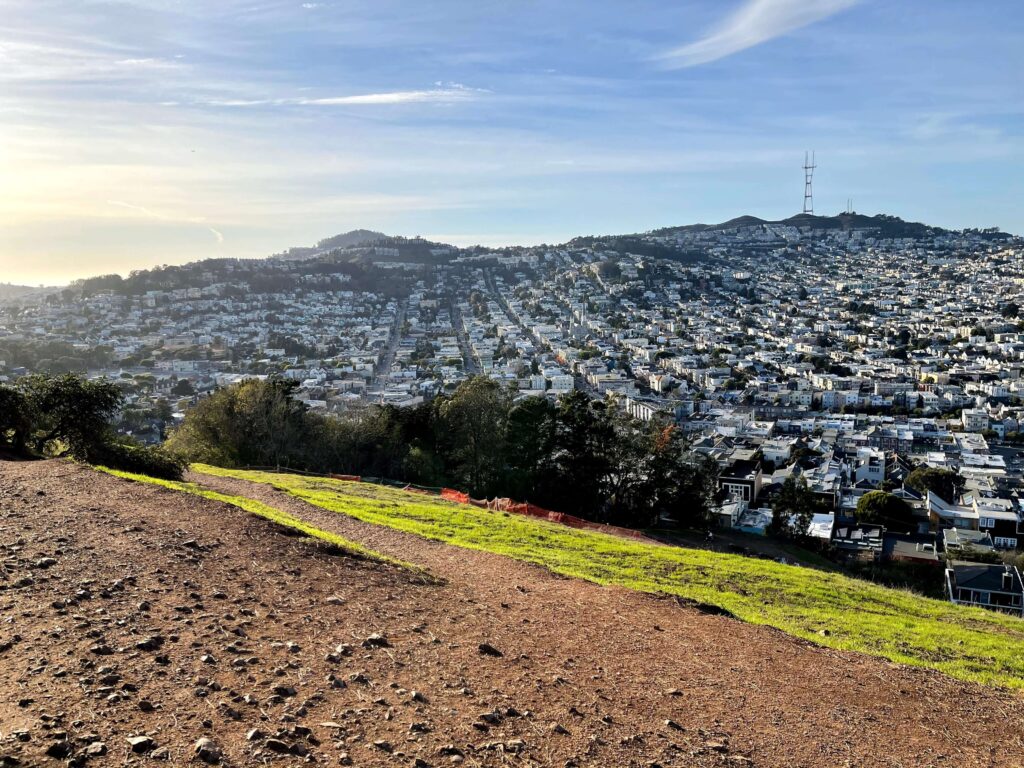
Best for: Families, dog owners, hikers, anyone who wants a “real neighborhood” experience
Where to eat & drink:
- Go Duck Yourself — An offshoot of Hing Lung, this fusiony roast duck place takes the Cantonese roast duck spot to a bougier and fun level – it just hits different when you get some pop rocks on it!
- Black Jet Baking Company — The morning buns and croissants here are some of the best in the city. I’ve been known to make a special trip just for their seasonal fruit galettes.
- Cellarmaker — A neighborhood taproom with rotating local craft beers. Low-key and welcoming, with delicious Detroit pizza to boot.
Where to stay: Bernal Heights is entirely residential, so you’ll need an Airbnb. But it’s only a 10-minute bus ride to the Mission, making it a great “stay like a local” option.
Getting there: The 67 bus runs through Bernal Heights, and the 24 connects it to the Mission and Castro. It’s also close to the 101 freeway if you’re driving.
Average rent: Around $2,600–$3,200/month for a 1-bedroom. More affordable than the Mission or Noe Valley, with arguably just as much charm.
Inner Sunset — Golden Gate Park’s Best-Kept Secret
The Inner Sunset is where I send people who tell me they want to “eat like a local.” The stretch of 9th Avenue and Irving Street near Golden Gate Park has one of the most diverse and delicious food concentrations in the city — and almost none of it ends up on the tourist radar. It’s also right at the doorstep of the California Academy of Sciences, the de Young Museum, and the San Francisco Botanical Garden. I honestly think this might be the most livable neighborhood in SF, and I will die on that hill (a gentle, Inner Sunset-appropriate hill).
Best for: Foodies, Golden Gate Park visitors, families, anyone who wants great food without the crowds
Where to eat & drink:
- San Tung — The dry-fried chicken wings here have a cult following, and I am a devoted member. Expect a line. It’s worth it. Every single time.
- Nopalito — Modern Mexican with a focus on seasonal, organic ingredients. The tamales and pozole are standouts.
- Arizmendi Bakery — Worker-owned cooperative bakery with a daily rotating pizza (always vegetarian, always great) and incredible scones. This is SF at its best.
Where to stay: The Sunset is primarily residential, so Airbnb is the move. But the N-Judah Muni line connects you downtown in about 25 minutes, making it a great base if you don’t mind the commute.
Getting there: N-Judah Muni line stops right in the neighborhood. The 7 bus also runs through the area. Parking is much easier here than in most of SF.
Average rent: Around $2,500–$3,200/month for a 1-bedroom. One of the best values in the city for what you get.
Outer Sunset — Beach Town Energy, City Address
The Outer Sunset feels like a completely different world from downtown SF. It’s foggy, laid-back, and has a genuine surf-town vibe despite being within city limits. Rows of pastel-colored houses line the avenues, and the neighborhood’s western edge is Ocean Beach — three miles of sand, crashing waves, and some of the most spectacular sunsets you’ll ever see (when the fog cooperates, which is maybe 40% of the time, but that just makes it more special). If you’re the kind of person who’d rather sit in a cozy cafe watching the fog roll in than fight for a table at a trendy restaurant, the Outer Sunset is your place.
Best for: Beach lovers, surfers, people who want a slower-paced SF experience, sunset chasers
Where to eat & drink:
- Devil’s Teeth Baking Company — The breakfast sandwich here is legendary. There’s always a line on weekends, and every person in that line will tell you it’s worth it. (They’re right.)
- Outerlands — Rustic, seasonal California cuisine with incredible house-baked bread. The brunch is what people trek across the city for — try the Eggs in Jail.
- Thanh Long — The original roasted Dungeness crab and garlic noodles that spawned the famous Crustacean restaurant. A San Francisco classic.
- Andytown Coffee Roasters — Order the “Snowy Plover” (espresso, simple syrup, and whipped cream soda) and sit outside. It’s my favorite coffee shop ritual in the whole city. More coffee recs in my coffee shop guide.
Where to stay: Very few hotels out here — this is an Airbnb or “base yourself elsewhere and visit for the day” neighborhood. But if you find a rental near Ocean Beach, you’re in for a treat.
Getting there: N-Judah line to the end, or the L-Taraval line for the southern part of the Sunset. The 5-Fulton bus also gets you out here. Parking is easiest in this part of the city.
Average rent: Around $2,200–$2,800/month for a 1-bedroom. One of the most affordable neighborhoods in SF proper.
Dogpatch — The Coolest Neighborhood You Haven’t Heard Of
Dogpatch has been on the “up and coming” list for years, and at this point I think it’s just… arrived. This former industrial neighborhood along the waterfront has transformed into one of the most interesting food and art destinations in the city, without losing its gritty character. The old warehouses are now home to restaurants, breweries, art galleries, and the stunning Chase Center (where the Warriors play) is just next door. I love the energy here — it feels like a neighborhood that’s building something new without erasing what came before.
Best for: Art lovers, craft beer fans, people who want to see a different side of SF, Warriors game attendees
Where to eat & drink:
- Marcella’s Lasagneria — This tiny spot serves homemade lasagna (and only lasagna, basically) and the portions are enormous. Limited hours, so check before you go.
- Daily Driver — Wood-fired bagels and house-made cream cheese. This is my top bagel spot in the city, and I will defend that position vigorously.
- Besharam — Modern Gujarati cuisine inside the Minnesota Street Project art gallery. The flavors are bold and the space is beautiful. It’s one of those “only in SF” dining experiences.
- Dogpatch Saloon — Open since 1912, this is one of the oldest bars in SF. Cheap drinks, good microbrews, and a century of history on the walls.
- Standard Deviant — Solid craft beer and a great outdoor patio. Perfect for a post-museum afternoon.
What else to do: Visit the Museum of Craft and Design, explore the Minnesota Street Project art galleries, or check out Dogpatch Boulders (the largest bouldering gym in the country) or rent some kayaks at Crane Cove Park. Crane Cove Park is a newer waterfront green space with a public beach and gorgeous views.
Where to stay: The Hotel Via near Chase Center is the closest option. There are also some great Airbnb lofts in converted warehouse spaces — which is a very Dogpatch way to experience the neighborhood.
Getting there: T-Third Muni light rail runs right through the neighborhood. The 48 bus also connects Dogpatch to Potrero Hill and the Mission.
Average rent: Around $2,800–$3,500/month for a 1-bedroom. Newer construction has pushed prices up, but you often get more space than in older neighborhoods.
Cole Valley & West Portal — Small-Town SF at Its Finest
I’m grouping these two neighborhoods together because they share a similar energy: both feel like tiny villages tucked into the city, both have charming commercial strips, and both are criminally underappreciated by visitors. Cole Valley sits at the base of Twin Peaks near UCSF, while West Portal is further south along the L-Taraval and K-Ingleside Muni lines. These are “grab a pastry and a coffee and wander” neighborhoods — no agenda needed.
Best for: Families, people who want a quiet SF base, those visiting Twin Peaks or the western neighborhoods
Where to eat & drink:
- Zazie (Cole Valley) — One of the best brunch spots in the city, and they have a no-tipping policy (fair wages for staff). The French toast and the garden patio are both worth the trip.
- Ristorante Marcello’s (West Portal) — Old-school Italian with generous portions. The kind of place where the server remembers your order. Classic neighborhood restaurant energy.
- Submarine Center (West Portal) — Best submarine sandwiches in the city. Not fancy, just really good sandwiches. The meatball sub is my pick.
Where to stay: Very residential — Airbnb is really the only option. But the Muni tunnel makes downtown accessible in about 20 minutes.
Getting there: N-Judah for Cole Valley, K/L/M lines for West Portal. Both have Muni tunnel stops that connect directly to downtown.
Japantown — A Cultural Treasure That Deserves Your Time
San Francisco’s Japantown is one of only three remaining Japantowns in the United States, and it’s a neighborhood I wish more visitors would explore. The Japan Center mall is the anchor — inside you’ll find incredible ramen, mochi, boba, Japanese bookstores, and shops selling everything from ceramics to anime goods. The Peace Plaza with its five-tiered Peace Pagoda is beautiful, and seasonal festivals like the Cherry Blossom Festival (April) and Nihonmachi Street Fair (August) are among the best community events in SF.
Best for: Japanese food lovers, culture seekers, anyone looking for something different from the typical SF tourist circuit
Where to eat & drink:
- Marufuku Ramen — Some of the best ramen in SF. The hakata-style tonkotsu is rich, porky, and deeply comforting. Expect a wait during peak hours.
- Waraku — Creative Japanese izakaya with unique pasta dishes and a lively atmosphere.
- Uji Time Desserts — Matcha soft serve, parfaits, and crepes. The matcha quality here is the real deal.
Where to stay: The Hotel Kabuki is right in Japantown — a beautifully designed hotel with a Japanese-inspired aesthetic and communal soaking tubs. It’s one of my top hotel recommendations in the city. Walk Score: 99.
Getting there: The 38 Geary bus is the main line serving Japantown. It’s about a 15-minute walk from Fillmore Street and the Western Addition. Also accessible by the 2 and 3 bus lines.
The Hidden Gems — My Personal Favorites
Okay, this is the section I’m most excited to write. These neighborhoods are near and dear to my heart, and they represent what I think makes San Francisco truly special — the communities and pockets of the city that don’t make the guidebooks but absolutely should.
Excelsior & Ocean Avenue — The Real SF
If you’ve read my article on 21 places off Ocean Avenue, you know I have a deep love for this part of the city. The Excelsior and Ocean Avenue corridor is one of the most diverse, authentic, and delicious areas in SF — and it gets almost zero tourist attention. That’s part of what makes it special. The restaurants here represent cuisines from all over the world, the prices are significantly lower than in the northern neighborhoods, and the community feel is unmatched. This is where I go when I want to eat incredible food without the scene.

Best for: Adventurous eaters, budget-conscious visitors, people who want to see the “real” SF beyond the postcard
Where to eat & drink:
- Halfway Club — A bar with a mid-west vibe, great food, and solid cocktail selections in the city. The kind of place where you become a regular after one visit.
- Ocean Ale House — Solid pub food and a great neighborhood bar. Unpretentious and welcoming.
- Ichi Sushi + Ni Bar (nearby on Mission Street) — Don’t let the strip-mall location fool you. The omakase here is outstanding and significantly more affordable than comparable spots downtown.
Getting there: Take the K-Ingleside or M-Ocean View Muni line to Balboa Park Station, or the J-Church to the Ocean Avenue corridor. The 29 bus also runs through the Excelsior.
Average rent: Around $2,000–$2,600/month for a 1-bedroom — genuinely affordable by SF standards. If you’re considering moving to SF, these neighborhoods offer real value.
How Do I Pick the Right Neighborhood for My Trip?
I know this is a lot of information (I may have gotten a little carried away — can you blame me?), so here’s a quick cheat sheet based on what you’re looking for:
- First time in SF and want to see everything: Stay in North Beach or Nob Hill. Central location, walkable to major sights, great food. Build your trip around my 3-day itinerary.
- Here for the food: Stay in the Mission or near Hayes Valley. Easy access to the city’s best restaurants, and you can check out my best restaurants in SF guide for even more picks.
- Traveling with kids: The Marina, Noe Valley, or the Inner Sunset. Family-friendly, safe, and plenty of parks and outdoor activities.
- On a budget: Look at Airbnbs in the Sunset, Excelsior, or Bernal Heights. Great food, lower prices, and easy Muni access to the rest of the city. You’ll also want my guide to free things to do in SF.
- Nightlife and going out: The Mission and Castro. No contest.
- A romantic getaway: Russian Hill/Nob Hill for classic elegance, or Hayes Valley for a boutique vibe. More ideas in my date night guide.
- Thinking about moving here: That’s a bigger conversation — check out my guide on where to live in SF for the full breakdown.
A Note on Getting Around
One of the best things about San Francisco is that you really don’t need a car. Muni (buses and light rail), BART (for longer trips), and rideshare/Waymo cover pretty much everything. I wrote a whole guide on how to use public transit in SF, and you should also read about whether you should ride a Waymo — because yes, driverless cars are very much a thing here, and honestly they’re kind of great. For trips outside the city, check out my best day trips from SF guide.
San Francisco’s overall Walk Score is 89 out of 100, and many of the neighborhoods in this guide score 95 or higher. Comfortable walking shoes are mandatory (those hills are the real deal), but the walkability is one of the things that makes this city so special.
Frequently Asked Questions
What is the best neighborhood to stay in for a first visit to San Francisco?
For first-time visitors, I recommend North Beach or Nob Hill/Russian Hill. Both are centrally located, walkable to major attractions (Fisherman’s Wharf, Chinatown, Union Square), and have excellent restaurant scenes. North Beach offers a more casual, lively atmosphere, while Nob Hill provides classic elegance and grand hotel options. The Marina is also a great choice if you want to be near the Golden Gate Bridge and don’t mind being slightly farther from downtown.
What is the safest neighborhood in San Francisco?
San Francisco’s overall crime rate is at a 23-year low as of 2025. Neighborhoods like Noe Valley, the Marina, West Portal, the Inner Sunset, and Bernal Heights consistently rank among the city’s safest. That said, standard city precautions apply everywhere — don’t leave valuables visible in your car and stay aware of your surroundings at night. For a deeper dive, read my full article on whether San Francisco is safe.
What is the most affordable neighborhood in San Francisco?
The Excelsior, Outer Sunset, and the area around Ocean Avenue offer some of the most affordable rents in the city, with 1-bedroom apartments averaging $2,000–$2,600/month compared to the citywide average of $3,024. The Tenderloin and parts of SoMa are also cheaper, but I’d recommend the outer neighborhoods for a better quality of life. For context, San Francisco’s cost of living is 63% above the national average, and housing is 245% above the national norm — so “affordable” is relative.
How many neighborhoods does San Francisco have?
San Francisco has 36 officially recognized neighborhoods packed into just 47 square miles. That density is part of what makes the city so interesting — you can walk from one neighborhood to another in 15 minutes and feel like you’ve entered a completely different world, with different food, architecture, weather (seriously, microclimates are real here), and energy. This article covers 15 of my favorites, but there are many more worth exploring.
Is it worth visiting San Francisco neighborhoods outside of downtown?
Absolutely — and I’d argue it’s essential. Some of the best food, views, and experiences in SF are in neighborhoods most tourists never reach. The Outer Sunset has Ocean Beach and incredible bakeries. Bernal Heights has a hilltop park with 360-degree views. The Excelsior has some of the most authentic and affordable international food in the city. Getting off the beaten path is the whole point of the Ask Me SF philosophy — the “real” San Francisco is in its neighborhoods, not just its landmarks.