Made in SF with ❤️


Last updated: March 2026
What Are Some Uniquely SF Things? Quirks, Trivia & Stuff Only Locals Know
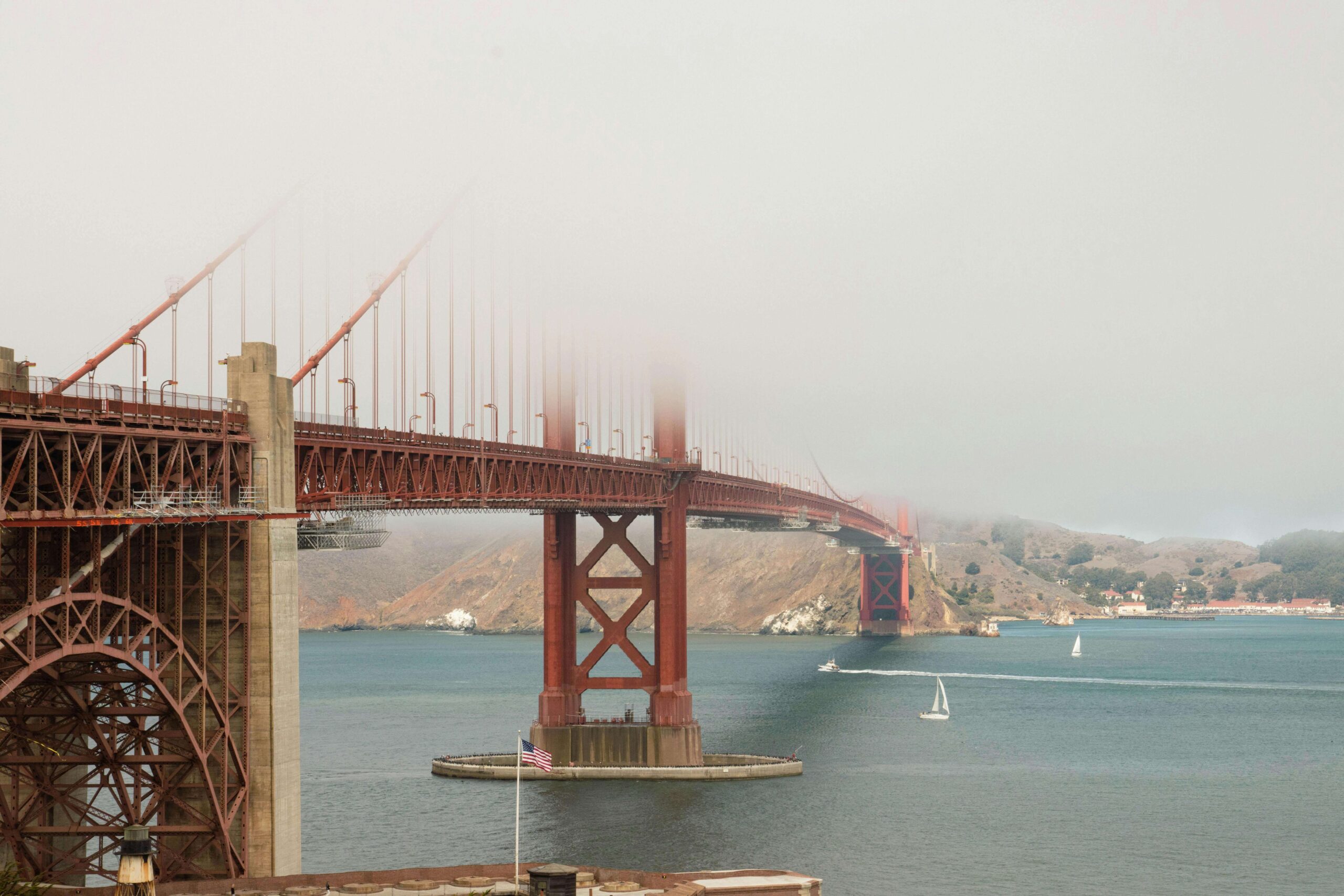
TL;DR: San Francisco is a weird, wonderful, 7-by-7-mile city full of surprises — from fog with its own Twitter account to bison living in Golden Gate Park. As someone who moved here from NYC in 2018, I’m still discovering quirky SF things that make this city unlike anywhere else. Here’s my running list of uniquely San Francisco trivia, tips, and random facts that every visitor and new resident should know.
When I first moved to San Francisco from New York, I thought I had a pretty solid handle on what city living was like. Big city, good food, expensive rent — how different could it be? Turns out: very different. SF has a personality all its own, and after nearly eight years here, I’m still stumbling onto little quirks that make me laugh, shake my head, or text my friends back east like, “You will not believe this.”
Some of what follows is genuinely useful. Some of it is just delightfully random. All of it is uniquely San Francisco.
What’s the Deal with San Francisco Weather?
I cannot stress this enough: you should wear or carry a light down jacket approximately 360 days a year. I don’t care if you’re visiting in July. I don’t care if it’s technically “summer.” Bring the jacket. I learned this the hard way during my first August here when I showed up to dinner in the Sunset in a sundress and nearly froze to death.
Wait, Summer Is Cold Here?
Yes. Summer in SF is famously cold and foggy — Mark Twain may or may not have said “the coldest winter I ever spent was a summer in San Francisco,” but whoever said it was not wrong. Meanwhile, our winters are rainy and mild with generally clear skies. The warmest months are actually September and October (locals call it “second summer”), which is completely backwards from everywhere else I’ve lived.
Year-round temperatures typically range between 50–70°F, which means it basically feels like perpetual fall or spring. It’s honestly one of the things I love most about living here — the mild weather is incredible for cycling and being outdoors year-round.
What Are Microclimates and Why Should I Care?
Here’s something that still blows my mind: the weather can be completely different just a few blocks away. This is the microclimate effect, and it’s real. I’ve left my house in the Excelsior in sunshine, biked to the Sunset, and arrived in full-on fog. The city has over a dozen distinct microclimates across its 47 square miles, which means weather forecasters frequently get it wrong for specific neighborhoods. Don’t trust the generic “San Francisco” forecast — check your actual neighborhood.
A few more weather quirks worth knowing:
- The fog has a name. It’s Karl. And Karl has a hilarious Twitter/X account. The Sutro Tower also has its own social media presence, because of course it does.
- Most residents don’t have air conditioning — no central AC, no window units. You’ll want a fan for the rare scorching week or during wildfire smoke season, but otherwise you just… don’t need it.
- San Franciscans are world-class weather complainers despite having objectively nice conditions. The second it hits 80°F, everyone collectively dusts off their one pair of shorts and acts like it’s a heat emergency. (I say this with love. I am also this person.)
- Those foghorn sounds you hear? They’re actual foghorns. Coming from NYC where mysterious sounds were usually something you didn’t want to investigate, I find the foghorns oddly charming.
What Random SF Trivia Do I Need to Know?
Okay, this is the fun stuff. Some of these are practical, some are just excellent cocktail party conversation starters.
The Naming Rules
Let’s get this out of the way: don’t call it “San Fran.” It bothers a surprising number of residents. “Frisco” has actually made a comeback and is broadly accepted, and longtime locals often just say “the City.” I personally don’t care what you call it (anti-gatekeeping, remember?), but consider yourself warned.
SF Runs on an Early Schedule
This was the biggest culture shock coming from New York. San Francisco closes early. Most places shut down by 9–10pm, and early rising is the local norm. I used to be a midnight dinner person in NYC. Now I’m thrilled when a restaurant seats after 8:30. The trade-off is that morning culture here is incredible — farmer’s markets, coffee shop hangs, early hikes. You adjust.
What Food and Drinks Were Invented in SF?
San Francisco birthed some iconic food and drinks that I think don’t get enough credit:
- Fortune cookies — yep, they originated here, not China
- Irish coffee (stateside) — the Buena Vista Cafe has been serving them since 1952
- Cioppino — the iconic seafood stew, born on Fisherman’s Wharf
- Dutch crunch bread — if you haven’t had a sandwich on Dutch crunch, you haven’t lived. I’m obsessed with the ones from Arguello Market
- Tiki culture — SF is where it all started in the US
The “Never Leave Anything in Your Car” Rule
This one is practical and important: never leave items visible in your car. Not a bag, not a phone charger, not a jacket. Car break-ins have been a persistent issue in SF (though crime overall is actually at a 23-year low). Just make it a habit. When I have visitors, this is literally the first thing I tell them.
How Intense Is SF Politics?
Oh, very. Local politics here are no joke — our ballots are famously long, with extensive propositions and measures that require serious homework. If you move here, be prepared to have opinions about things like transit funding measures, charter reform, and the occasional recall election. I wrote a whole piece on what’s up with SF politics if you want to go deeper.
More Fun Facts and Quirks
- Very few bugs. Coming from NYC where I had regular roach encounters, this was life-changing. Roaches are uncommon here, though spiders and ants make appearances. I genuinely think this is one of SF’s most underrated selling points.
- Many places close on Mondays. Plan your restaurant visits accordingly. I’ve been burned by this more times than I’d like to admit.
- Picnic blankets and park hangs are a way of life. Dolores Park, Golden Gate Park, Alamo Square — bring a blanket, some snacks, maybe a bottle of wine, and you’ve got peak SF weekend energy.
- The 49ers don’t actually play in San Francisco. They play in Santa Clara, about 45 miles south. This is a sore subject for many locals.
- Ocean Beach allows bonfires from March through October. One of my favorite warm-weather activities. Show up with friends, marshmallows, and layers (always layers).
- Composting is mandatory. SF takes its green bins seriously — the city was actually one of the first in the nation to require composting. You’ll have three bins: blue for recycling, green for compost, black for landfill.
- SF City College is free for residents, and the SF Public Library system is excellent and free. Take advantage of both.
- San Francisco is approximately 7 by 7 miles. That’s it. The whole city fits in 47 square miles, which is mind-blowing when you consider how many distinct neighborhoods and microclimates are packed in there.
What Historical Trivia Should I Know About SF?
SF has layers of history that show up in surprising ways when you’re just walking around the city.
- The western half of SF was historically sand dunes. The Sunset and Richmond districts were literally built on sand, which explains a lot about the vibe out there.
- The Presidio is federal property — it’s a former military base that’s now a stunning national park site right in the city. Great for hiking and picnicking.
- Parts of the Embarcadero were built on landfill and old ships. During the Gold Rush, ships were abandoned in the harbor and the city literally built over them.
- The Palace of Fine Arts and Japanese Tea Garden are remnants from the 1915 Panama-Pacific International Exposition (World’s Fair). The fact that they’re still standing and gorgeous is pretty incredible.
- Frederick Law Olmsted, who designed Central Park in NYC, also designed Golden Gate Park. As a former New Yorker, I love this connection — though I’d argue Golden Gate Park might actually be better (don’t @ me, New York friends).
- The 1989 Loma Prieta earthquake collapsed the Embarcadero Freeway, which turned out to be one of the best things that happened to the waterfront. The current Embarcadero is beautiful because of that demolition.
- Golden Gate Park has actual bison. They’ve been there since 1891. The Bison Paddock is near the western end of the park and it never stops being surreal.
- Mount Davidson has a giant cross (103 feet tall) honoring the Armenian Genocide. It’s the highest natural point in San Francisco at 928 feet.
- Housing is predominantly old. Most of the housing stock is historic, with new construction mainly concentrated in downtown, Mission Bay, Mission Rock, and Yerba Buena. Many older units come with rent control protections — something to be aware of if you’re thinking about moving here.
What About Parking in SF?
A quick note on parking, because it confused me endlessly when I first moved here: most neighborhoods have parking permit zones. If you live in the area, you can get an annual residential parking permit that lets you park beyond the posted time limits (usually 2 hours for non-residents). You still need to move your car every 72 hours though. Honestly, I’d recommend going car-free your first year — between Muni, BART, and rideshares, you can get around fine without one.
What About Earthquakes?
Yes, earthquakes happen. No, you shouldn’t panic about them. Most are small enough that you barely notice. Wildfire danger within the city is minimal, though smoke from fires elsewhere in California can affect air quality — AQI apps become essential during fire season (usually late summer/fall). I wrote about how to prepare for emergencies in SF if you want practical tips.
Dive Deeper Into SF
Want to keep exploring? Here are some of my other guides that pair well with this one:
- Is the Dear San Francisco show worth it?
- The perfect 3-day SF itinerary
- 10 must-see SF attractions for first-timers
- 11 incredible local SF artists you should know
- Discovering hidden gem wine bars in SF
- Great resources for local news, events, and activities
FAQ: Uniquely San Francisco
What is San Francisco most known for?
The iconic stuff — the Golden Gate Bridge, cable cars, Alcatraz, sourdough bread, the fog (named Karl), steep hills, and Victorian houses like the Painted Ladies. But locals will tell you the real draw is the food scene, the wildly diverse neighborhoods, the access to nature, and the progressive, community-driven culture. It’s a city that packs an absurd amount of personality into 47 square miles.
What are some fun facts about San Francisco?
The fog has its own name (Karl) and a popular Twitter account. Bison have lived in Golden Gate Park since 1891. Vermont Street — not Lombard — is actually the crookedest street in SF. San Francisco’s Chinatown is the oldest in North America, established in the 1840s. Fortune cookies were invented here, not in China. And the entire western half of the city used to be sand dunes.
What makes San Francisco different from other cities?
SF packs enormous diversity into just 47 square miles — every neighborhood has its own microclimate, personality, and food scene. Where else can you surf in the morning, hike through a redwood grove at lunch, and eat world-class dim sum for dinner, all without leaving city limits? The combination of urban life, natural beauty, and cultural richness is genuinely hard to find anywhere else.
What should I not miss on a visit to San Francisco?
Beyond the big-name attractions, make sure to explore the Mission District for murals and tacos, catch a sunset at Lands End, try a Waymo ride, eat dim sum in the Richmond, and spend a lazy afternoon at Dolores Park. And whatever you do, get a sandwich on Dutch crunch bread.
Is “San Fran” really offensive to locals?
Offensive is a strong word, but it does make a lot of locals cringe. “Frisco” has made a big comeback and is widely accepted, “the City” is classic, and “SF” is always safe. Personally, I think the gatekeeping around city nicknames is a little silly — but when in Rome (or in this case, when in the 7×7), you might as well go with “SF.”